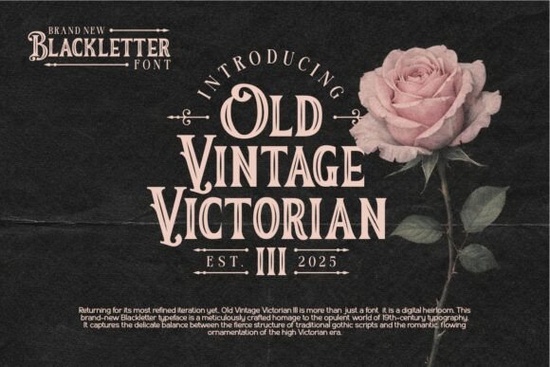
If you're working on a design that needs to feel authentically vintage think apothecary labels, heritage branding, or retro apparel the Old Vintage Victorian III Font offers a genuinely historical aesthetic without veering into caricature. Inspired by 19th-century typography, this decorative serif typeface blends bold serifs, high contrast strokes, and ornate detailing that echo the craftsmanship of Victorian-era printing.
Unlike minimalist modern fonts, Old Vintage Victorian III leans into its personality. It’s built for display use, meaning it shines in headlines, logos, packaging, and signage where size and presence matter. The font includes decorative inlines and swashes that add flair without overwhelming your layout ideal if you’re designing for a craft distillery, a classic café menu, or even a period-inspired invitation suite.
What kinds of projects work best with this font?
This isn’t a body-text font it’s a statement piece. You’ll get the most out of Old Vintage Victorian III when using it in contexts that benefit from visual drama and historical texture:
- Vintage product labels – especially for spirits, soaps, candles, or preserves
- Retro apparel graphics – think tees with old-school slogans or heritage brand names
- Restaurant or bar branding – menus, chalkboard signs, or logo marks
- Event invitations – weddings, galas, or themed parties with a 19th-century vibe
- Book covers or poster designs – particularly for historical fiction or gothic aesthetics
Because of its strong character, pair it with clean, neutral sans-serifs or simple serif fonts for supporting text. Avoid combining it with other highly decorative typefaces like Preppycrush or Bubble Skelly unless you’re going for intentional maximalism.
How does it compare to other vintage-style fonts?
Not all “vintage” fonts are created equal. Some lean more toward mid-century modern (like Modern Vintage), while others have a playful, hand-lettered charm (such as Have a Nice Day Honey). Old Vintage Victorian III stands apart by staying true to late-1800s typographic conventions: sharp serifs, dramatic thick-thin transitions, and subtle inline details that mimic metal type.
It’s less whimsical than many retro fonts and more architectural making it a better fit for brands that want to convey tradition, permanence, or craftsmanship. If your project calls for dignity over cuteness, this is likely the right choice.
Is it easy to use for non-designers?
Yes especially if you’re using it through platforms like Canva, Adobe Express, or print-on-demand services that support custom fonts. The key is to use it at larger sizes (24pt and up) where its details remain legible. At small sizes, the fine strokes and swashes can blur together, reducing readability.
Most users find success by sticking to uppercase for headlines or using title case with careful spacing. Many versions also include alternate characters and ligatures, so check your software’s OpenType support if you want to access those flourishes.
For reference, you can explore the full character set and licensing details on Old Vintage Victorian III Font.
Practical tips before you buy
Before committing, consider these real-world usage notes:
- Check your license. Creative Fabrica typically includes commercial use, but always verify if you’re selling physical products (like mugs or shirts) versus digital templates.
- Test readability. Print a sample or view it on screen at your intended size what looks elegant at 72pt might become muddy at 18pt.
- Avoid overuse. One line of Old Vintage Victorian III often carries enough visual weight; adding more can clutter your design.
- Pair thoughtfully. Use neutral supporting fonts to let this typeface shine without competition.
If you love historical authenticity and need a font that delivers gravitas with grace, Old Vintage Victorian III is worth a closer look especially alongside other display options like those found in Creative Fabrica’s curated collections for display fonts.
Next step: Download a test version or preview it in your actual project file. Seeing how it behaves in context next to your logo, photo, or color palette is the best way to know if it’s the right fit.
Learn More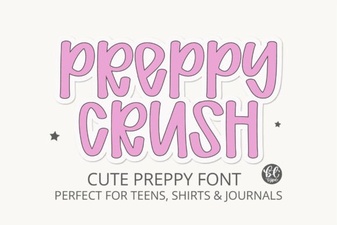 Preppycrush Font for Modern Graphic Design Projects
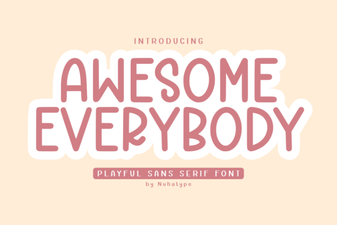 Awesome Everybody Font Design Inspiration & Uses
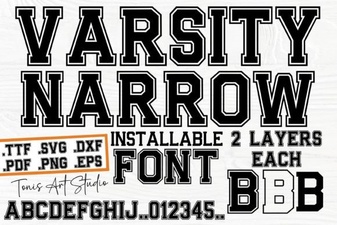 Varsity Narrow Font for Modern Sports Design
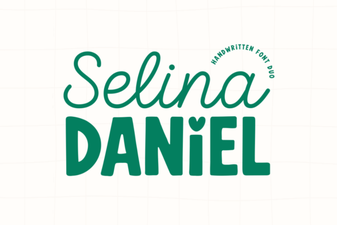 The Selina Daniel Duo Font for Creative Projects
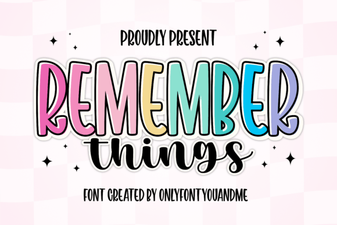 The Remember Things Font: a Creative Design Resource
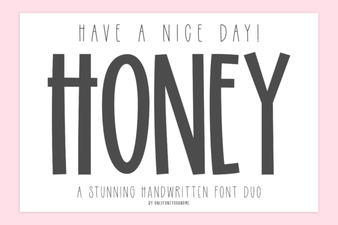 Have a Nice Day Honey Font: Free Download & Use Guide